
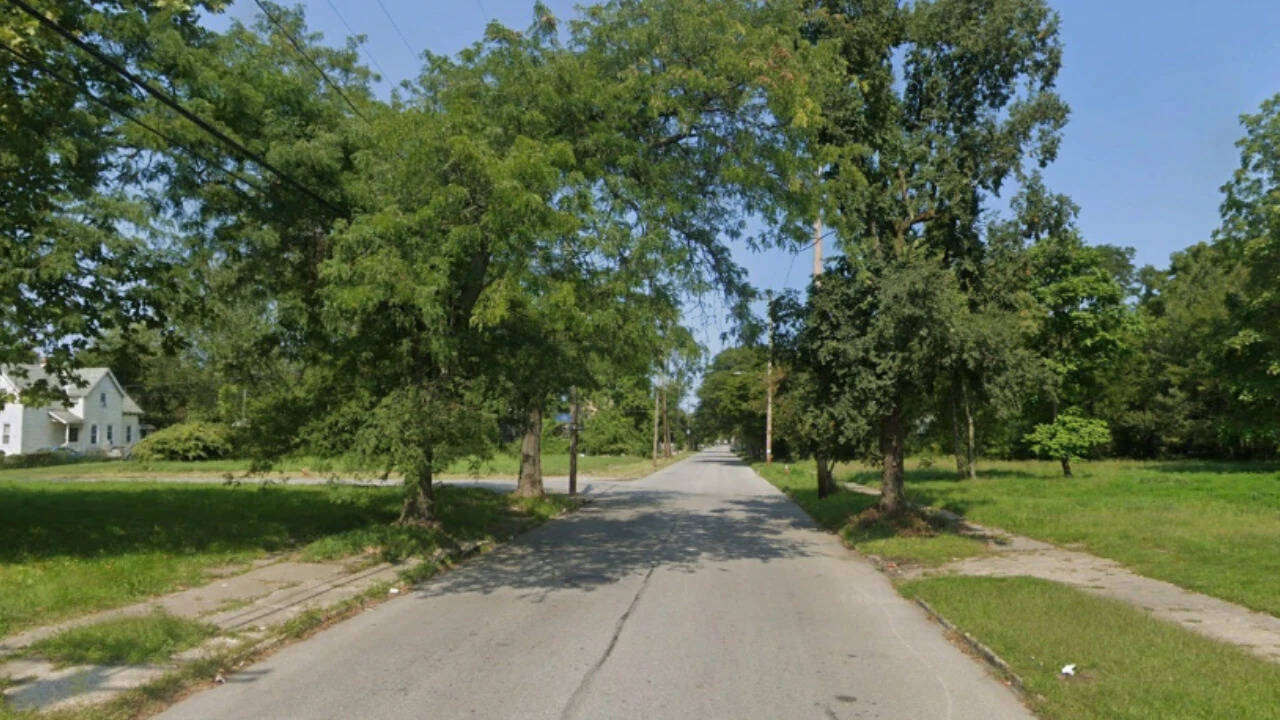
Cleveland’s near-East Side lost most of its population, falling from nearly 100,000 residents in the 1960s to fewer than 20,000 today. The city now plans 200 new homes through its Housing Innovation District, backed by $2 million in state funding. A tax increment financing plan could generate up to $182 million over 30 years for streets, sewers, parks and other improvements. Cleveland’s near-East Side lost most of its population, falling from nearly 100,000 residents in the 1960s to fewer than 20,000 today. The city now plans 200 new homes through its Housing Innovation District, backed by $2 million in state funding. A tax increment financing plan could generate up to $182 million over 30 years for streets, sewers, parks and other improvements.
Trending
- Trump’s handpicked prosecutor resigns from DOJ probe after clash with attorney general
- ‘First step towards safety’: Meta to report child sexual abuse cases to law enforcement
- Top stocks to buy: Stock recommendations for September 15, week – check list
- Vijay-Ajith’s Silverstone moment goes viral as CM shares a special video
- Mohsin Naqvi ‘didn’t object’ to India refusing Asia Cup trophy from him, says BCCI
- No bank charges on UPI payments of up to Rs 2,000: Govt
- Marc Benioff’s $2.7 mn school donation came with a rule: No hate, no discrimination
- Indian-origin man, woman killed by train after sitting on NYC subway tracks

Cleveland district lost 80,000 residents; new plan aims to build 200 homes
 By
By

Add A Comment