
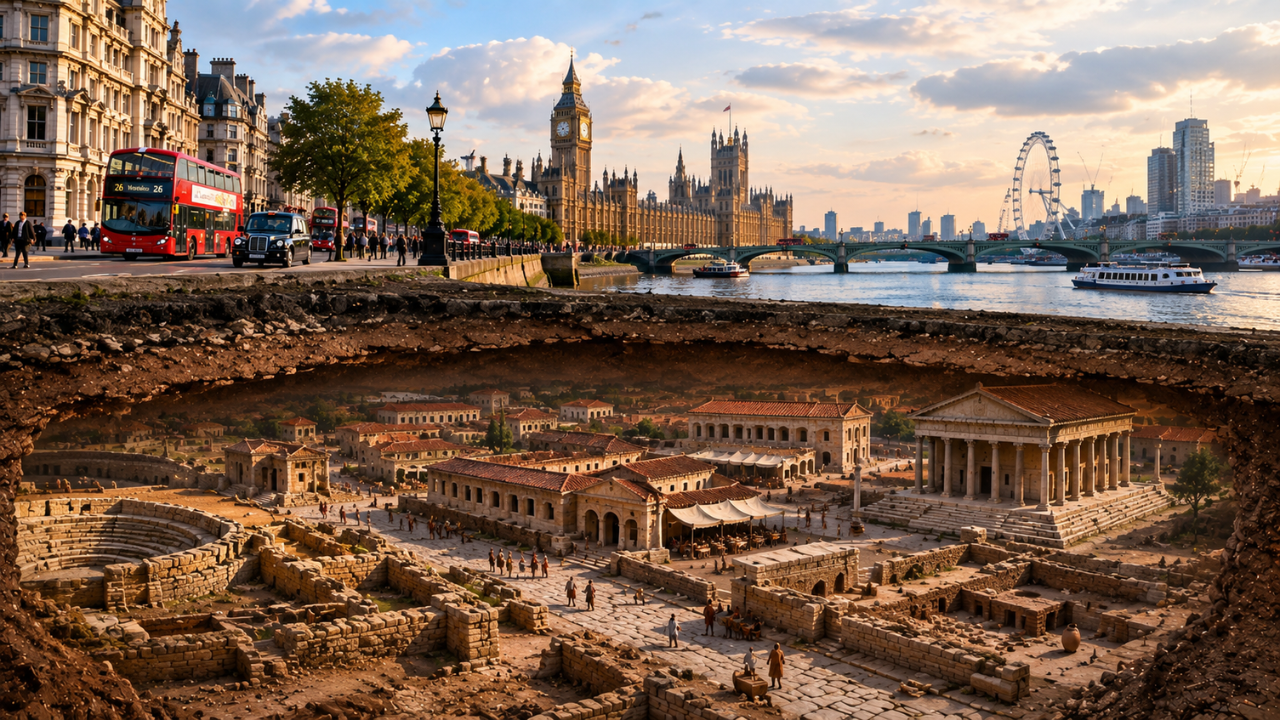
Throughout history, ancient cities were frequently reconstructed at the same sites due to their inherent strategic benefits. Such locations provided essential resources like water, access to trade routes, and fertile land, which were valued across generations. As populations expanded, they built upon the existing infrastructure, resulting in the formation of layered urban landscapes. This progression naturally elevated ground levels over centuries, causing ancient remnants to lie beneath contemporary urban settings. Throughout history, ancient cities were frequently reconstructed at the same sites due to their inherent strategic benefits. Such locations provided essential resources like water, access to trade routes, and fertile land, which were valued across generations. As populations expanded, they built upon the existing infrastructure, resulting in the formation of layered urban landscapes. This progression naturally elevated ground levels over centuries, causing ancient remnants to lie beneath contemporary urban settings.
Trending
- Quote of the day by Fyodor Dostoevsky: “Your worst sin is that you have destroyed and…”
- ‘Strong chargesheet in two weeks’: Kiren Rijiju on Manipuri musician’s murder in Delhi
- Over 100 eagle rays gather off Malta in largest aggregation ever recorded
- Satya Niketan tragedy: ABVP seeks PG safety audit, MCD chief’s suspension
- PM Modi-Putin talks: 5th gen Su-57s, nuclear power plants & US sanctions on agenda
- How China’s exercise with Egypt made the IAF better suited to take on the dragon
- Jaipur fort murder: Guide dies after knife attack; locals protest
- ‘Turned quiet life into chaos’: Virginia man sues Amazon over data centre

Why archaeologists keep finding ancient cities beneath modern ones
 By
By

Add A Comment