
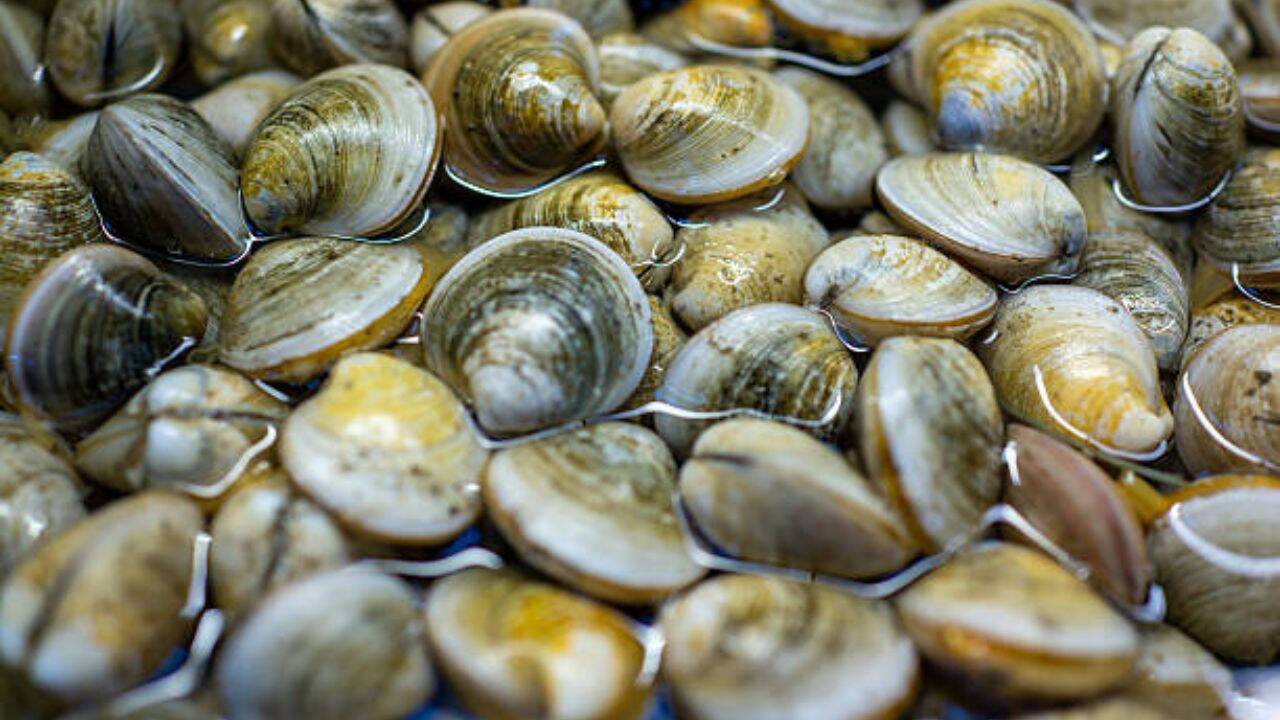
Florida’s Indian River Lagoon shows signs of recovery after decades of environmental decline. Scientists are restoring critical habitats like reefs, shellfish beds, seagrass, and wetlands. Efforts focus on reintroducing clams, which were nearly extinct due to overharvesting and algal blooms. Millions of juvenile and adult “super clams” have been released into the lagoon. Local governments are addressing runoff issues to support the lagoon’s ongoing restoration. Florida’s Indian River Lagoon shows signs of recovery after decades of environmental decline. Scientists are restoring critical habitats like reefs, shellfish beds, seagrass, and wetlands. Efforts focus on reintroducing clams, which were nearly extinct due to overharvesting and algal blooms. Millions of juvenile and adult “super clams” have been released into the lagoon. Local governments are addressing runoff issues to support the lagoon’s ongoing restoration.
Trending
- ‘Shivling exists beneath its premises’: Hindu outfit plans Ganga water offering at Deoband seminary
- West Indies suffer major blow, miss direct qualification for 2027 World Cup
- AI can help bridge India’s healthcare gap: Report
- PM must come to House and reply on Ram Mandir donation theft case: Kharge
- In 1997, Steve Jobs told employees: Nike sells shoes, yet inspires millions
- Punch the baby monkey turns 1, makes friends and gets a new enclosure
- Budapest’s Danube reveals 2 German soldiers and DKW bike after 80 years
- How 10 billion trees transformed South Korea’s post-war forests

Florida scientists turn 39 surviving clams into 65 million
 By
By

Add A Comment