
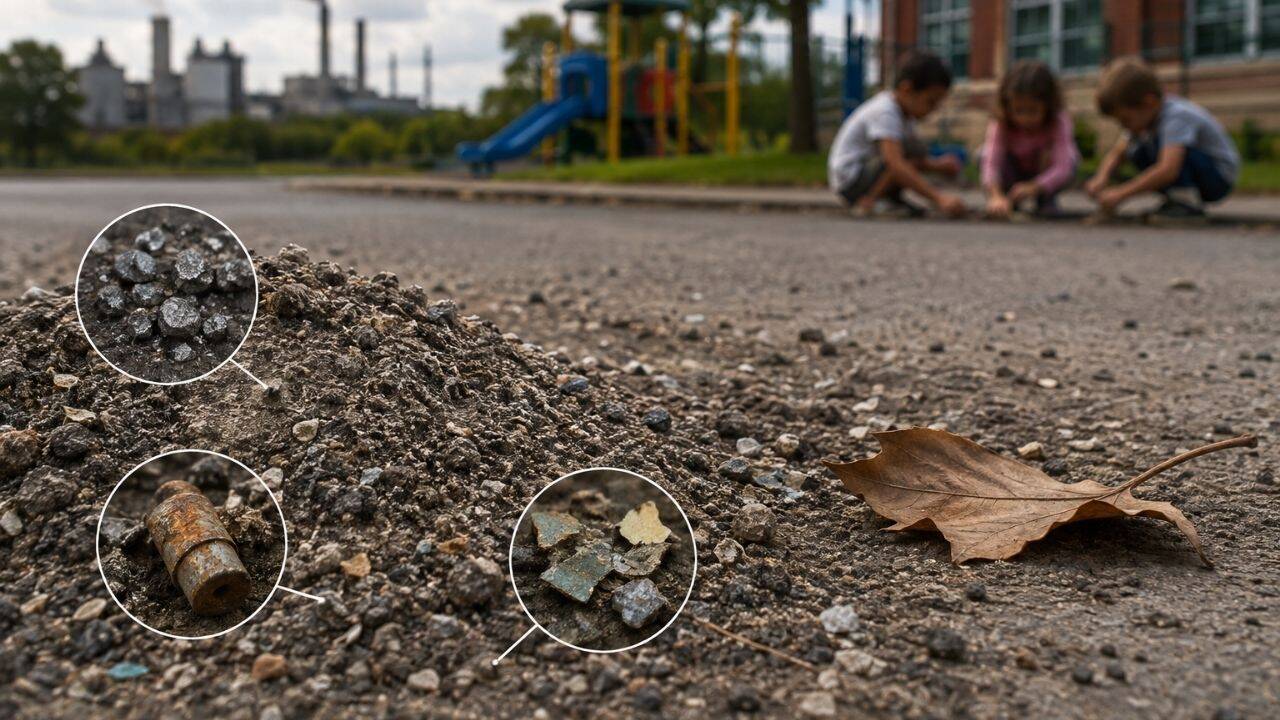
In seven eastern cities of the U.S., road dust harbors toxic metals linked to historical industrial actions. These contaminants remain entrenched, presenting health dangers through regular dust interactions, especially for children who are more susceptible due to their behaviors and smaller size. Areas in the Northeast exhibit higher concentrations of these metals, a reflection of their extended industrial past. Recognizing these enduring pollutants is vital for effective community health strategies. In seven eastern cities of the U.S., road dust harbors toxic metals linked to historical industrial actions. These contaminants remain entrenched, presenting health dangers through regular dust interactions, especially for children who are more susceptible due to their behaviors and smaller size. Areas in the Northeast exhibit higher concentrations of these metals, a reflection of their extended industrial past. Recognizing these enduring pollutants is vital for effective community health strategies.
Trending
- ‘Islamification of the country has to stop’: McKinney council meeting extends for 5 hours over debate on mosque project, plan gets nod after massive fight
- ‘Party constitution shifted from democratic principles to a one-person structure’: SC in ‘real’ Shiv Sena case
- Suvendu Adhikari aide’s murder probe: CBI files charge sheet against 11 accused
- Europe’s forests losing biomass fast; carbon sink weakened by drought, beetles
- ‘Celebrate handloom day like you marked friendship day’: PM Modi’s appeal in another Insta video
- Asia Cup: India to face Pakistan on September 5 – check full schedule
- ‘Huge ask’: ECB explains why Brook missed out as Root returns as Test captain
- CPRG launches Governance Dialogue series with focus on district-led development

Old factory metals and pesticides found near US parks and schools
 By
By

Add A Comment