
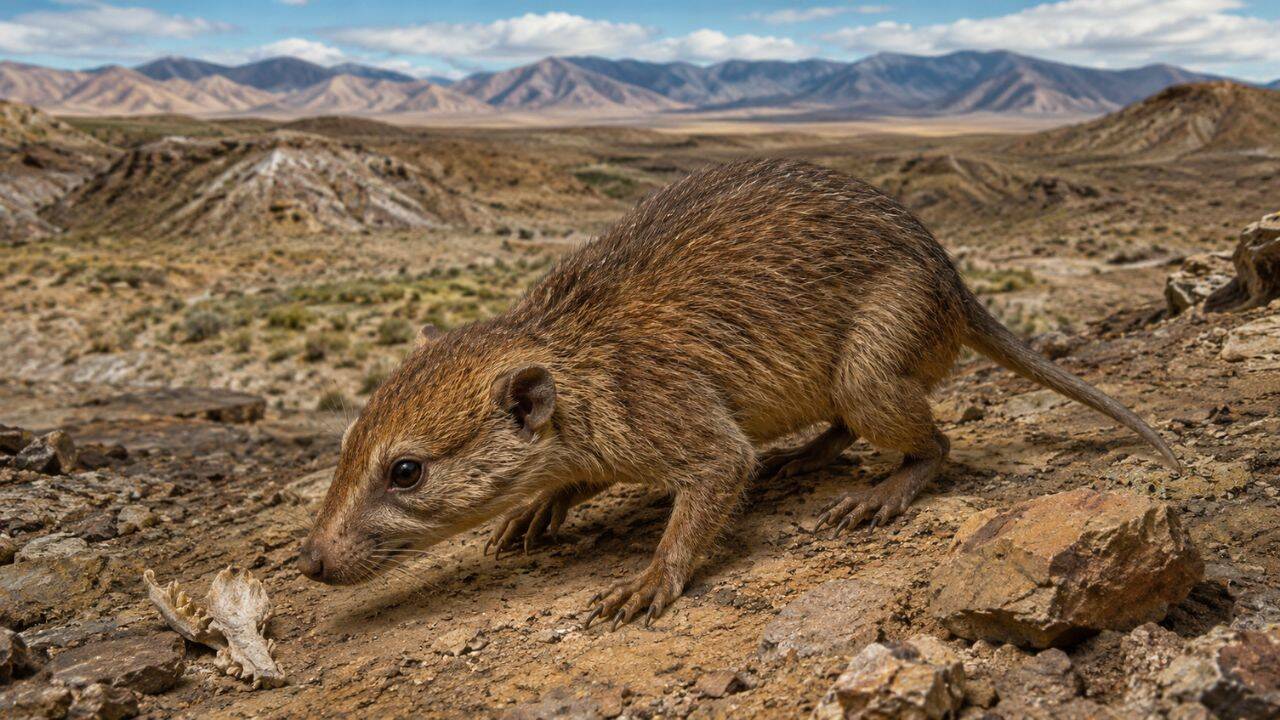
A new fossil from Mongolia’s Gobi Desert has reshaped mammalian evolutionary understanding. This 70-million-year-old Tamirkhan balcarceli fossil belonged to zhelestids, which were previously misunderstood. The complete skeleton shows zhelestids were not early placental mammals as once thought. Instead, they were part of the extinct zalambdalestoid lineage, which evolved similar teeth independently. This discovery alters interpretations of mammalian diversity during the Late Cretaceous period.
Trending
- Flagstar 2021 data breach victims can claim up to $25,000 before August 11
- US state department uses AI-generated map that mislabels African countries at Brazil conference
- Meet Alexander Zanders: The founder revolutionising Africa’s ‘unbankable’ farmers into a $100 billion opportunity with just a credit assessment
- Meet Lucas Tadao: 14-year-old Brazilian student who turned cassava peels into biodegradable trays that could help replace Styrofoam and reduce plastic pollution
- How beavers are restoring rivers, wetlands, and wildlife across North America
- Infantino’s closest adviser quits, denounces World Cup plan as ‘bad deal for football’
- ‘Samudra Manthan’: Cabinet approves Rs 84,084 cr scheme for oil & gas exploration
- Delhi riots: Tahir Hussain, 4 others get life term for IB officer Ankit Sharma’s murder

70-million-year-old mammal fossil discovered in Mongolia rewrites the story of early mammal evolution
 By
By

Add A Comment