
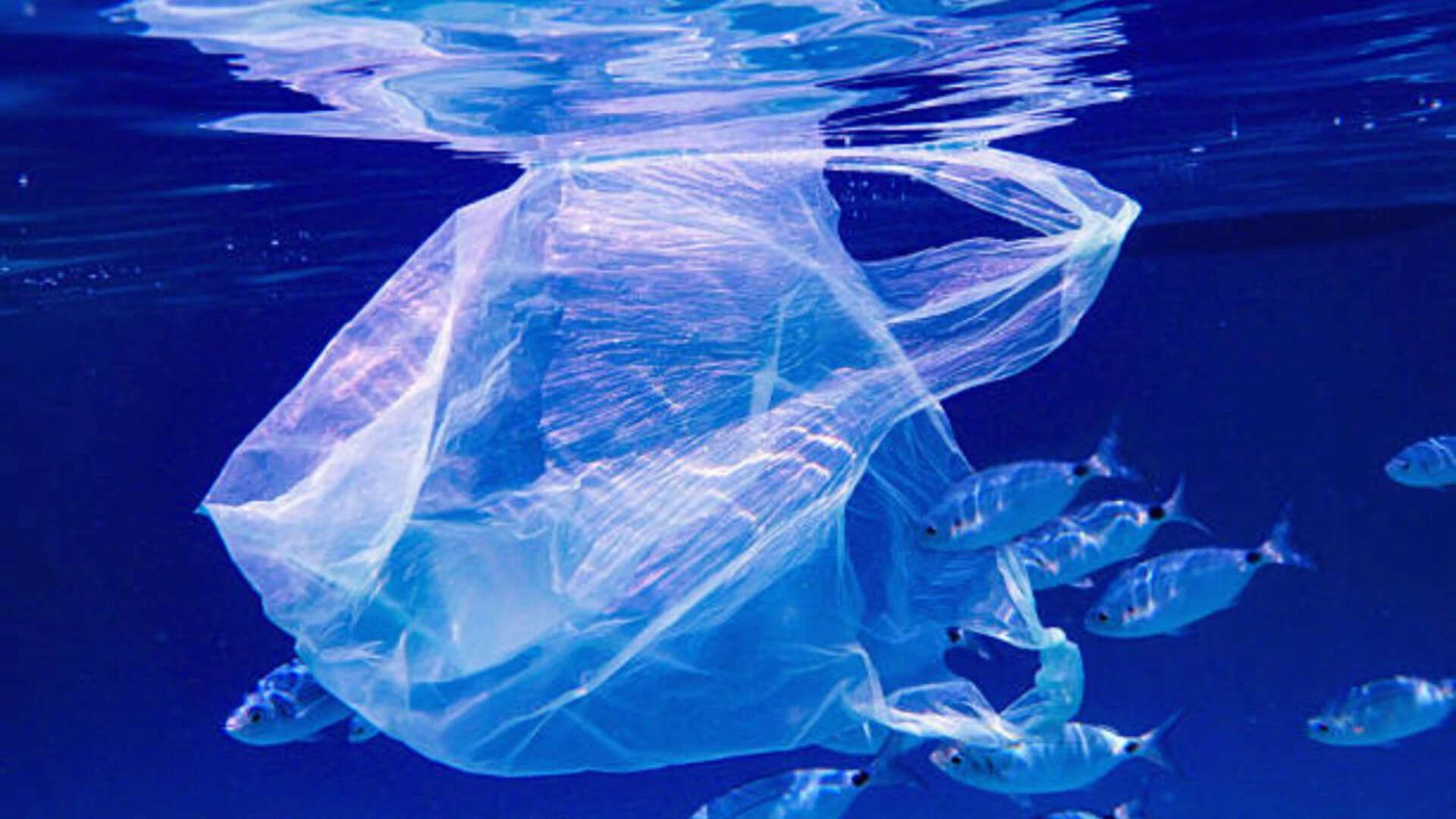
Microplastics have infiltrated remote deep-sea hydrothermal vent ecosystems globally. A recent study found microplastics in ninety-two percent of examined deep-sea animals. Polystyrene was the most frequently detected polymer among the plastic particles found. Feeding behavior influenced microplastic accumulation within the animals’ bodies. Animals from the Indian Ocean showed significantly higher microplastic concentrations than Pacific specimens. Microplastics have infiltrated remote deep-sea hydrothermal vent ecosystems globally. A recent study found microplastics in ninety-two percent of examined deep-sea animals. Polystyrene was the most frequently detected polymer among the plastic particles found. Feeding behavior influenced microplastic accumulation within the animals’ bodies. Animals from the Indian Ocean showed significantly higher microplastic concentrations than Pacific specimens.
Trending
- Trump alleges China interference in US elections amid suspicion he’s prepping for mid-term loss
- Odysseus helped the Greeks defeat Troy with a wooden horse, but his journey home became a 10-year fight against monsters, gods and fate
- State took land but didn’t pay compensation for 50 years; Andhra Pradesh HC orders payment
- Quote of the day by Meryl Streep
- In 1980, Mount St Helens buried a river valley in volcanic sediment. Then 58 beavers helped turn the wasteland into a thriving wetland
- ‘Avoid unruly behaviour’: CM Yogi says anti-social elements ‘tranishing’ Kanwar Yatra
- A campaign eliminated billions of sparrows to protect crops in 1958; the birds’ disappearance accidentally triggered one of history’s most devastating locust plagues
- A Spanish company built a bladeless wind turbine that sways instead of spinning, turning the vibrations caused by wind into electricity

Microplastics reach remote ecosystem as Indian Ocean animals show high levels
 By
By

Add A Comment