
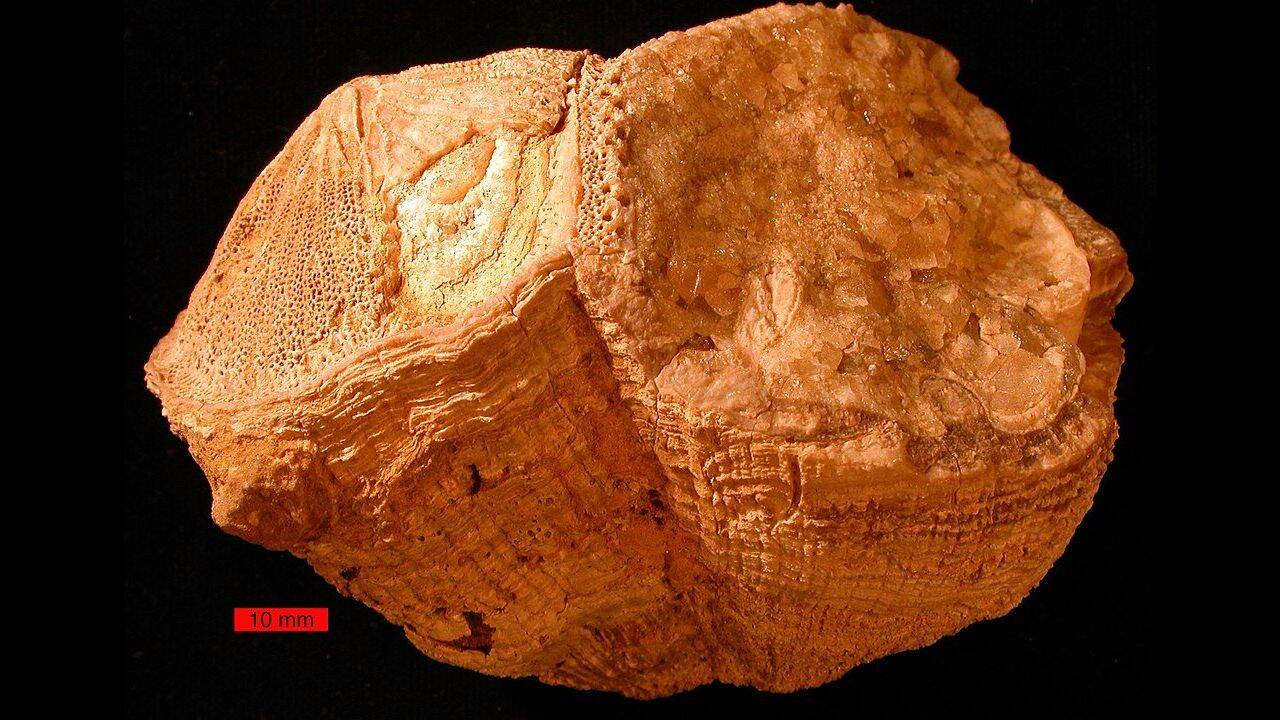
Research into ancient shells has unveiled that Earth experienced a 372-day year around seventy million years ago. During the Cretaceous period, each day was approximately twenty-three hours and thirty-one minutes long. This study also examined the ancient Earth-Moon distance and revealed warmer ocean temperatures, with evidence of photosymbiosis. The mollusc fossil indicates it thrived for over nine years on a tropical seabed.
Trending
- Evening news wrap: Sukhbir Badal attacked in Nanded; Air India begins pilot drug testing, & more
- ‘Modi thinks foreign policy is this’: Rahul mocks PM; another Congress leader takes Meloni swipe
- ‘Can’t play both’: India withdraw from FIFA ASEAN Cup to prioritise Brazil clash
- Bengal govt strips BJP MP Ananta Maharaj of Banga Bibhushan award over ‘insulting’ remarks against Netaji
- Meet Carmela, 11, the youngest person ever awarded an MBE
- In 2022, Buffalo completed the first emerald shiner passage on the Niagara River; four years later…
- BNP nominates stalwart Mirza Fakhrul for Bangladesh presidential poll
- ‘This is your last chance’: SC ultimatum to Centre over delay in front-of-pack food warning labels

70 million years ago, Earth had 372 days a year, with days lasting 23 hours
 By
By

Add A Comment