
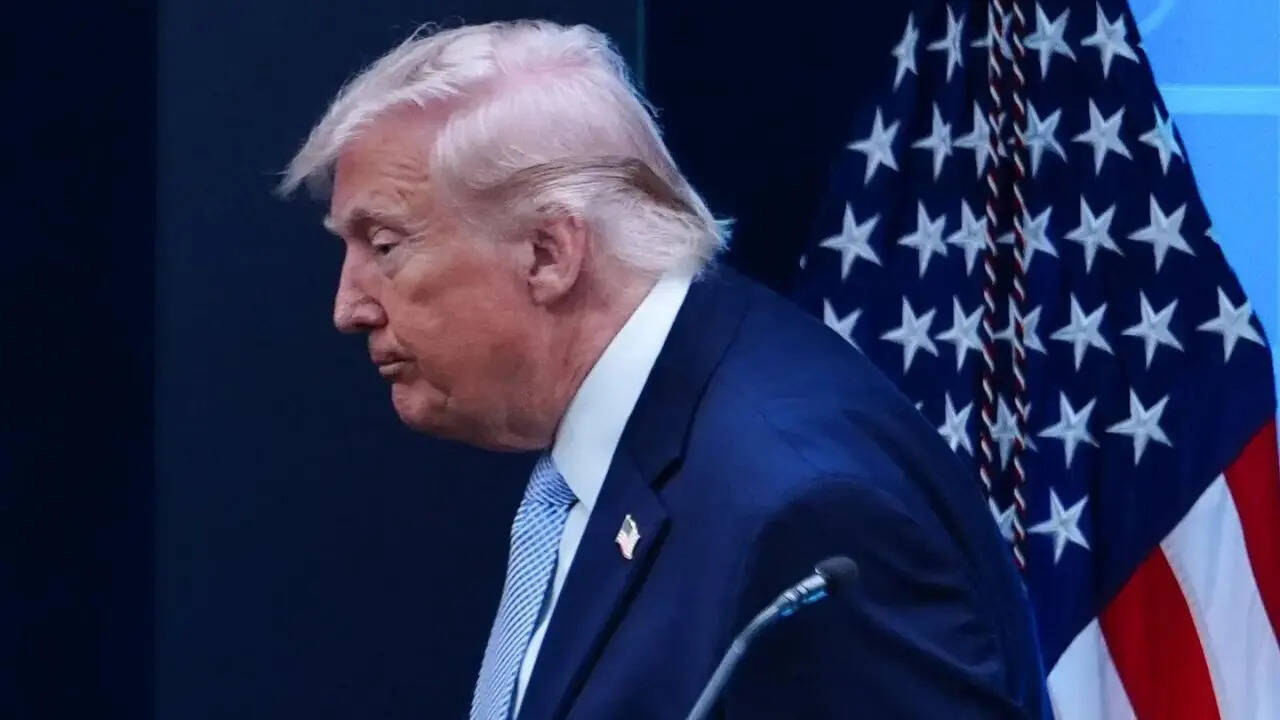
For weeks, the Trump administration relied on Pakistan to act as an intermediary, urging it to persuade Iran to agree to a pause in hostilities that would allow the reopening of the Strait of Hormuz. Islamabad’s role as a Muslim-majority neighbour was seen as key to making the proposal acceptable to Tehran. Back-channel diplomacy spearheaded by Pakistan’s army chief Asim Munir culminated late Tuesday with the US, Iran and Israel announcing a two-week ceasefire. For weeks, the Trump administration relied on Pakistan to act as an intermediary, urging it to persuade Iran to agree to a pause in hostilities that would allow the reopening of the Strait of Hormuz. Islamabad’s role as a Muslim-majority neighbour was seen as key to making the proposal acceptable to Tehran. Back-channel diplomacy spearheaded by Pakistan’s army chief Asim Munir culminated late Tuesday with the US, Iran and Israel announcing a two-week ceasefire.
Trending
- 1,100 Afghans stranded in Qatar for over a year, US asking countries in Africa, Asia to take them
- VP Vance will lead US team for truce talks with Iran in Pakistan: White House
- 5 ancient cities that are now underwater and reveal how civilisations were lost to the sea
- Day before polling in Assam, Congress’ Udalguri candidate says he quit party
- ‘Baby Killers!’: US nurse fired after viral antisemitic Times Square rant at Israeli tourists – Watch video
- Jammu-Srinagar national highway remains shut for 3rd day
- 2 Pakistan LeT ultras, Jammu & Kashmir aide remanded in 10-day police custody
- “People deserve answers”: Candace Owens questions Erika Kirk CEO role as Charlie Kirk audio dispute raises serious doubts online

US desperate for ceasefire? Trump forced Pakistan to broker temporary truce with Iran
 By
By

Add A Comment