
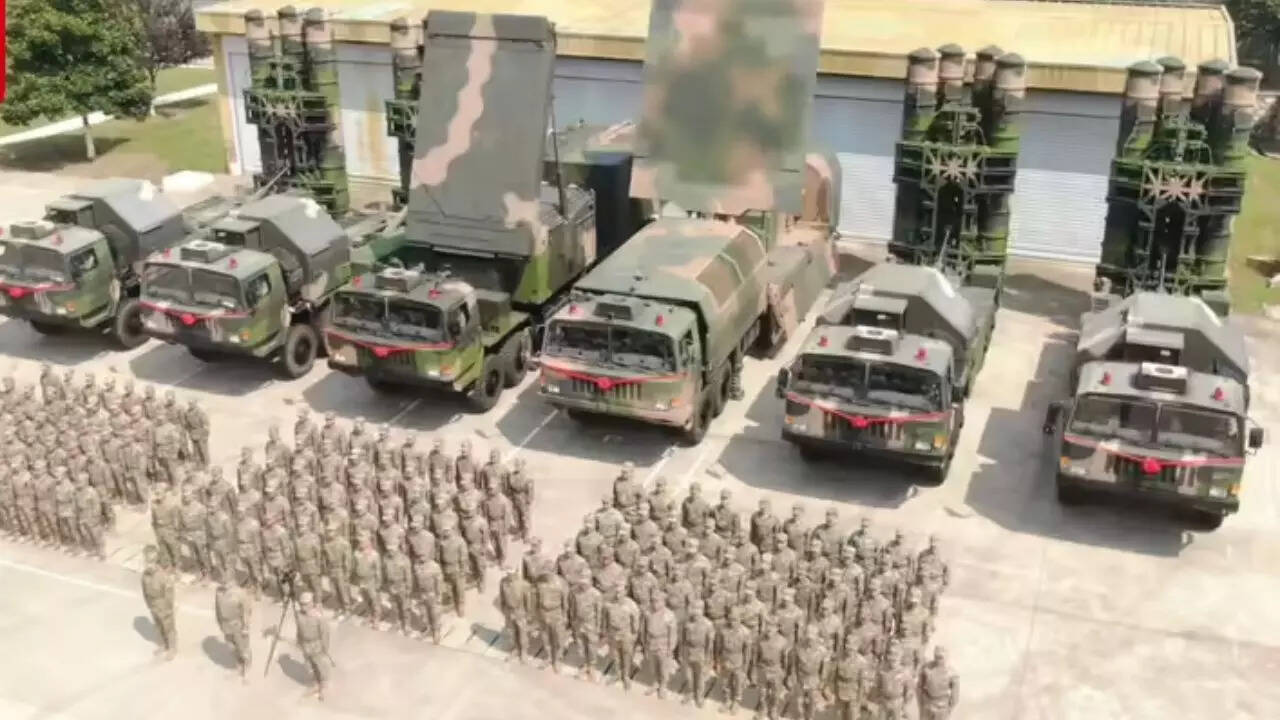
Recent conflicts have exposed troubling vulnerabilities in Chinese weaponry. Pakistan’s air defenses buckled against Indian missiles, Venezuela’s radars went dark during a US raid, and Iran’s systems faltered under airstrikes—patterns that point to shoddy engineering and weak software. Taken together, these incidents suggest systemic quality-control problems that erode buyer confidence and fuel a credibility crisis for China’s arms industry. Recent conflicts have exposed troubling vulnerabilities in Chinese weaponry. Pakistan’s air defenses buckled against Indian missiles, Venezuela’s radars went dark during a US raid, and Iran’s systems faltered under airstrikes—patterns that point to shoddy engineering and weak software. Taken together, these incidents suggest systemic quality-control problems that erode buyer confidence and fuel a credibility crisis for China’s arms industry.
Trending
- Sly Saudi-Israel alliance set up US attack on Iran
- ‘Situation is fluid’: US confirms 3 soldiers killed, several injured in ‘Operation Epic Fury’ against Iran
- T20 WC: South Africa coach’s ‘cupcake’ jibe after another ‘chokers’ reminder
- Pakistan, Venezuela & now Iran: Why Chinese-made weapons keep failing
- Donald Trump hosts fundraiser at Mar-a-Lago as Middle East lights up with Iranian missiles targeting US and its allies
- Iran says interim leadership functioning; new leader appointment ‘in a day or two’
- T20 WC: Zimbabwe team stuck in India amid closure of airspace in Middle East
- ‘US crossed dangerous red line’: Iran says has no option but to respond after Khamenei killing

Pakistan, Venezuela & now Iran: Why Chinese-made weapons keep failing
 By
By

Add A Comment