
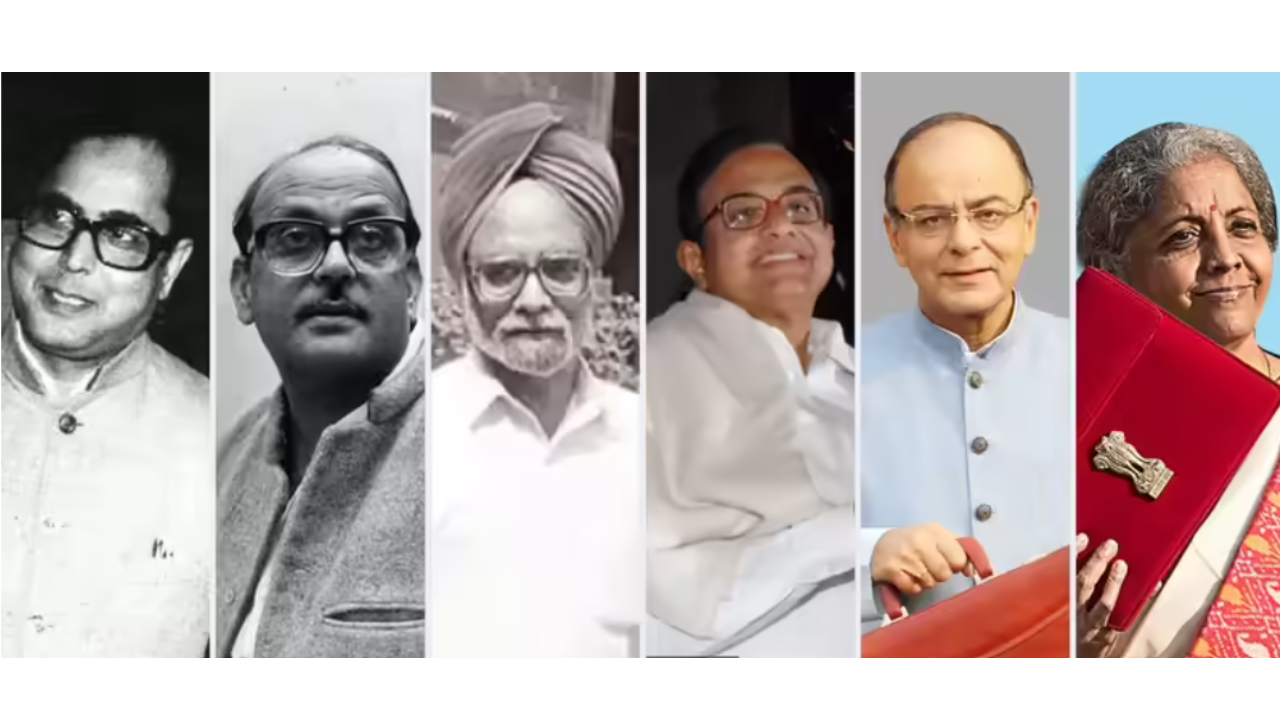
Union Budgets are often treated as routine fiscal announcements, yet in recent four decades they have quietly reshaped taxation, regulation and economic policy. Why did finance ministers repeatedly use the Budget to dismantle the licence raj, build market institutions and enforce fiscal rules—and why does that legacy still shape India’s political economy today? The answers lie in how the Budget became a tool of structural reform. Union Budgets are often treated as routine fiscal announcements, yet in recent four decades they have quietly reshaped taxation, regulation and economic policy. Why did finance ministers repeatedly use the Budget to dismantle the licence raj, build market institutions and enforce fiscal rules—and why does that legacy still shape India’s political economy today? The answers lie in how the Budget became a tool of structural reform.
Trending
- Amit Shah visits World Book Fair: Home minister distributes Anand Math to kids; urges youth to rediscover books
- U19 WC: 8 wickets in eight overs! India snatch victory from Bangladesh’s grasp
- ‘Board of Peace’ in chaos? Netanyahu pushes back on Trump’s Gaza governing body
- “May such tragedy never happen again”: US Ambassador Sergio Gor pays tribute at 26/11 memorial
- ‘Don’t take up part-time jobs’: Fresh warning on social media amid reports of ICE detaining two Indians from a Minnesota restaurant
- ‘No chess on a dead planet’: Protest disrupts Wijk aan Zee tourney – watch
- BMC mayor post: Why Eknath Shinde has moved his leaders to resort – number game explained
- ‘This is one of the seven days’: ICE agent’s reply in exchange with Somali man sparks viral reaction — video

History of India’s Union Budgets – Some Budgets that became blueprints for institutional change
 By
By

Add A Comment