
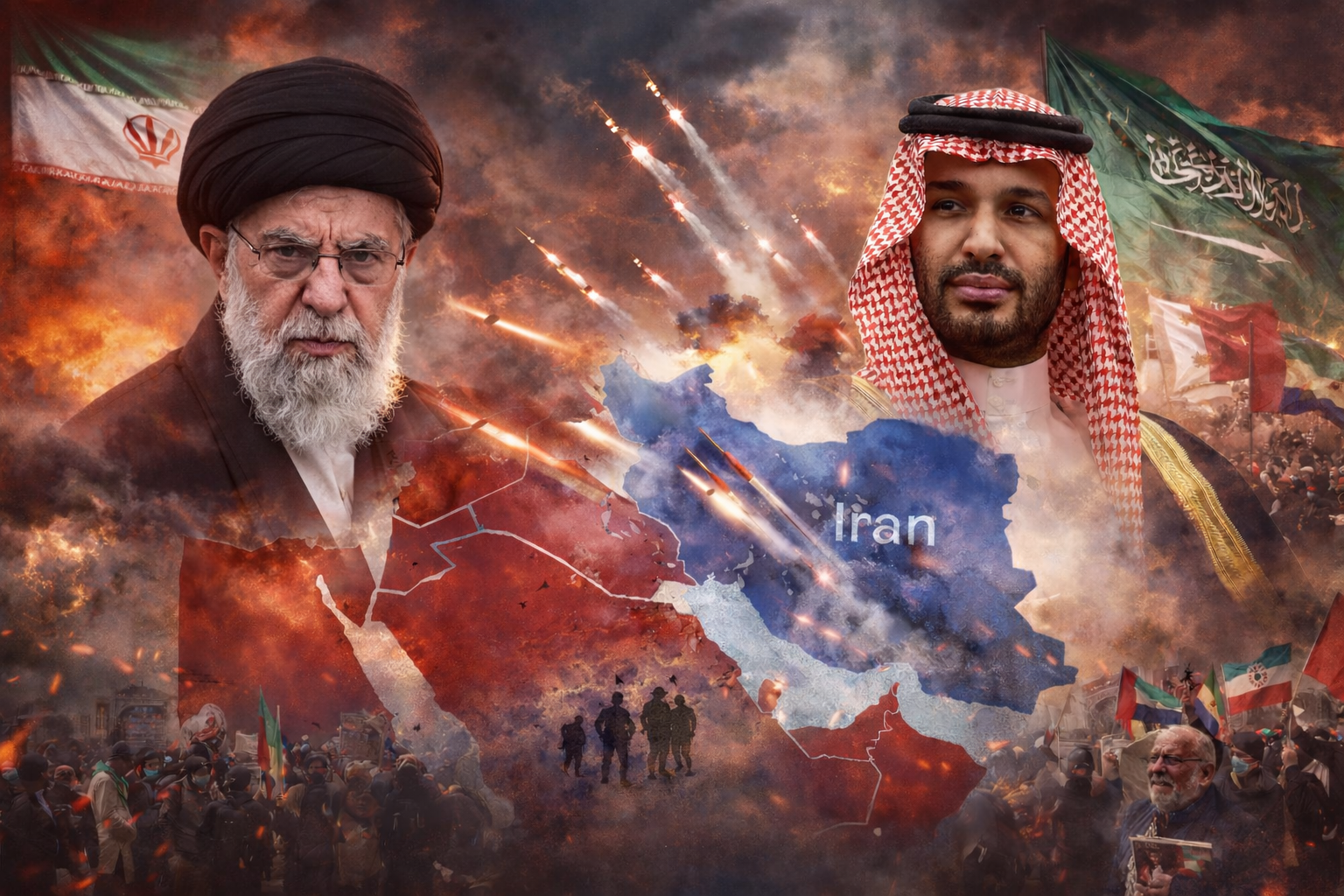
For decades, West Asia had learned to live with tension. Proxy battles, covert strikes, deniable operations and quiet escalations had defined the region’s uneasy equilibrium. But what unfolded in recent weeks broke that pattern. Iran did not just respond to the joint strikes by the United States and Israel, it widened the battlefield. In doing so, it dragged the Gulf into a conflict many believed would remain contained between Tehran, Washington and Tel Aviv. The shock was not limited to the region. For decades, West Asia had learned to live with tension. Proxy battles, covert strikes, deniable operations and quiet escalations had defined the region’s uneasy equilibrium. But what unfolded in recent weeks broke that pattern. Iran did not just respond to the joint strikes by the United States and Israel, it widened the battlefield. In doing so, it dragged the Gulf into a conflict many believed would remain contained between Tehran, Washington and Tel Aviv. The shock was not limited to the region.
Trending
- Watch: Pak dy PM falls on red carpet while welcoming Egyptian FM
- Indian-American author Padma Lakshmi backs ‘No Kings’ protests against Trump policies
- Nitish Kumar to resign from Bihar legislative council tomorrow
- Airlines must offer 60% seats free from April 20, says DGCA
- ‘Illatharasi’ coupons, welfare schemes: Stalin releases ‘superstar’ DMK manifesto for Tamil Nadu assembly polls
- Sunil Narine scripts history, etches name in IPL record books
- Rahul Arunoday Banerjee passes away after drowning during shoot in Digha
- Palm Sunday: Pope Leo says God rejects prayers of those who wage war

A shadow war? The Shia-Sunni equation behind Iran’s Gulf attacks
 By
By

Add A Comment