
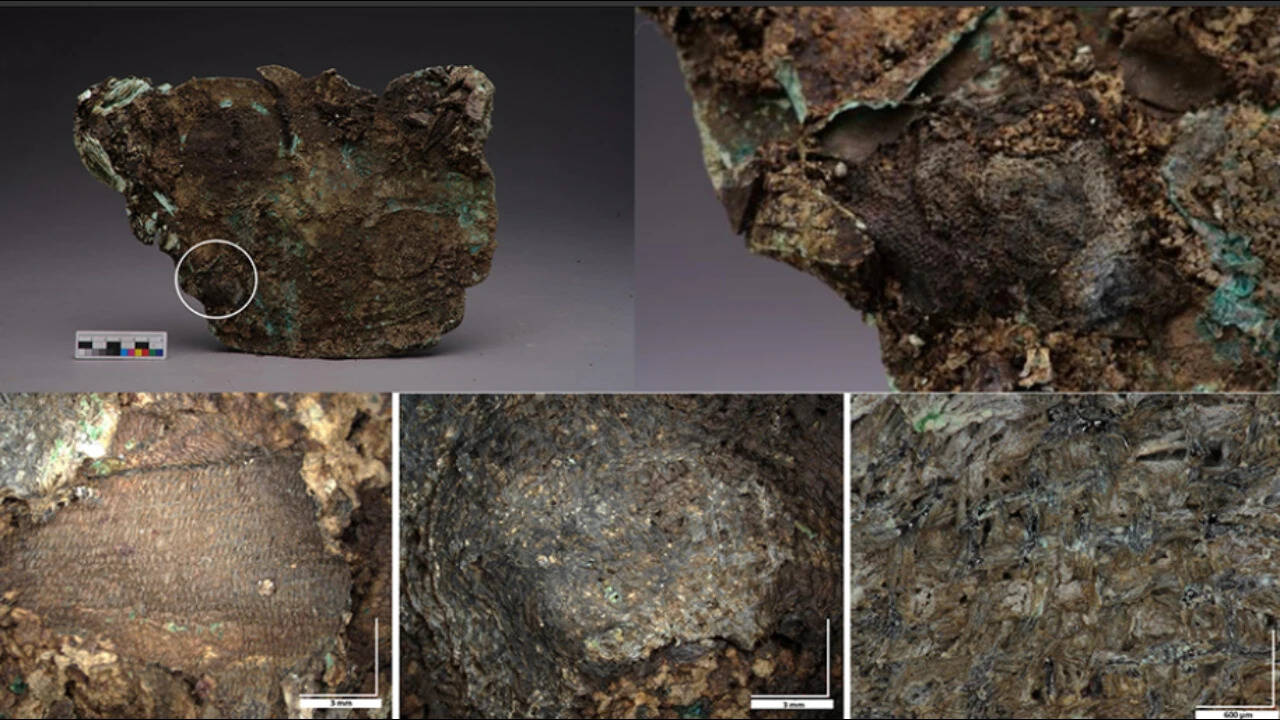
Scientists studying 3,000-year-old objects from China’s Sanxingdui archaeological site have found silk traces on 101 artefacts, including bronze masks, gold, jade and ivory objects. Published in the journal Antiquity, the study suggests that ancient Shu people used silk to wrap or cover objects during rituals. Researchers also identified red pigments and different weaving patterns, offering clues about ancient textile practices. Scientists studying 3,000-year-old objects from China’s Sanxingdui archaeological site have found silk traces on 101 artefacts, including bronze masks, gold, jade and ivory objects. Published in the journal Antiquity, the study suggests that ancient Shu people used silk to wrap or cover objects during rituals. Researchers also identified red pigments and different weaving patterns, offering clues about ancient textile practices.
Trending
- Marco Simoncelli’s parents pay emotional tribute 15 years after his death
- Global LNG prices jump 6%: Is India’s gas affordability under pressure
- ‘They plotted’: Ex-Manipur CM Biren Singh blames BJP leaders for ouster, questions continued violence
- From 3-0 to 87-run defeat! Phillips shatters India’s clean sweep dream
- Jemimah gives big ‘life update’ on anniversary of famous WC knock vs Australia
- Anonymous family donates $50 million to expand access to lifesaving medicines
- Punjab cop tests positive for drugs during anti-narcotics protest
- Uttarakhand helicopter crash: Chopper went missing near Joshimath; passengers were from Bengaluru – what we know so far

Silk traces found on 101 ancient Chinese ritual objects dating back 3,000 years
 By

Add A Comment