
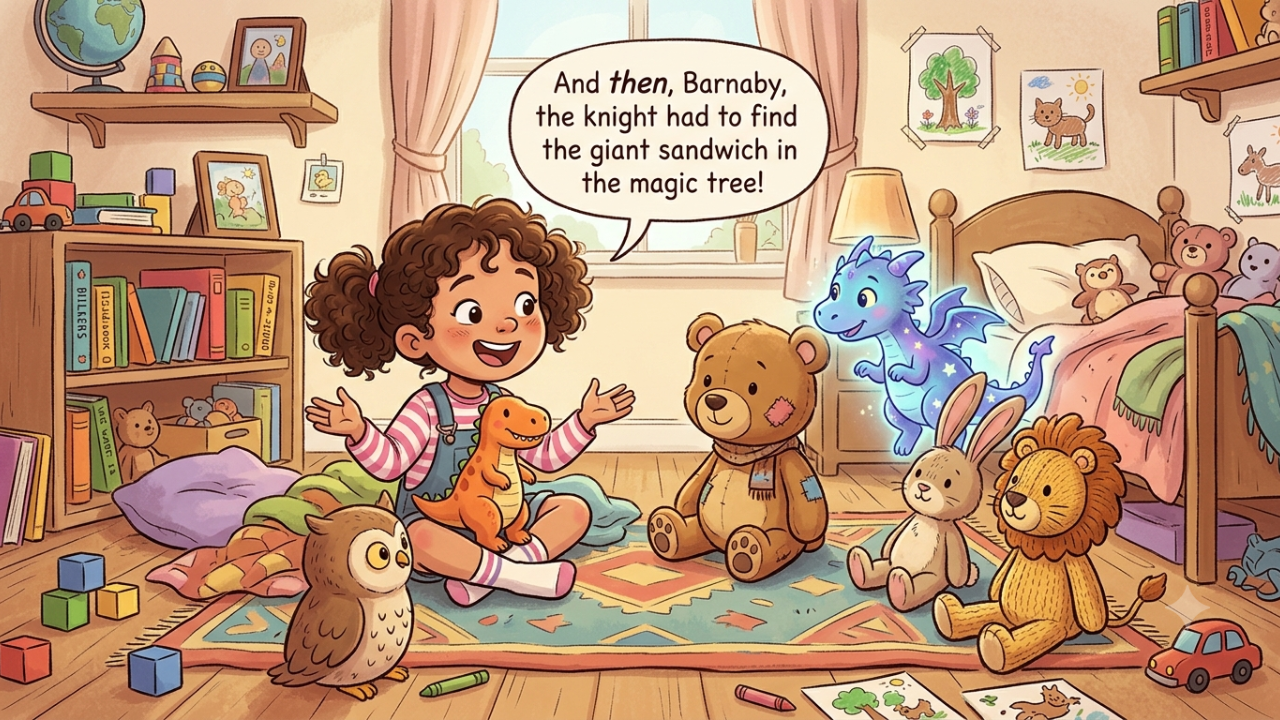
Many kids enjoy pretend play with imaginary pals or stuffed toys, fostering their communication skills. Engaging in this type of play is typical and does not necessarily indicate loneliness. However, if children display notable changes in behavior regarding their imaginary friends, parents should take note. Asking about these imaginary companions can initiate valuable conversations and strengthen the parent-child bond, prioritizing the child’s happiness above all. Many kids enjoy pretend play with imaginary pals or stuffed toys, fostering their communication skills. Engaging in this type of play is typical and does not necessarily indicate loneliness. However, if children display notable changes in behavior regarding their imaginary friends, parents should take note. Asking about these imaginary companions can initiate valuable conversations and strengthen the parent-child bond, prioritizing the child’s happiness above all.
Trending
- Uttarakhand school’s anti-mobile ‘lesson’ under scanner
- Oil prices ease as Saudi restores key pipeline, traders optimistic on US-Iran talks
- Apple is building a screenless Whoop rival, but it may not launch before 2028
- PM Modi likely to visit Canada in December to lock in trade deal: Canadian PM Carney
- IIT-Bombay suicide case: Victim’s father threatens hunger strike
- India, EU & Canada unite to defend multilateralism; express concern over power politics
- Trump backs India-Middle East-Europe Economic Corridor amid conflict with Iran
- Cong accuses BJP of Assam attack, CM blames party’s ‘internal feud’

Why kids talk to toys and imaginary friends: When parents should worry
 By
By

Add A Comment