
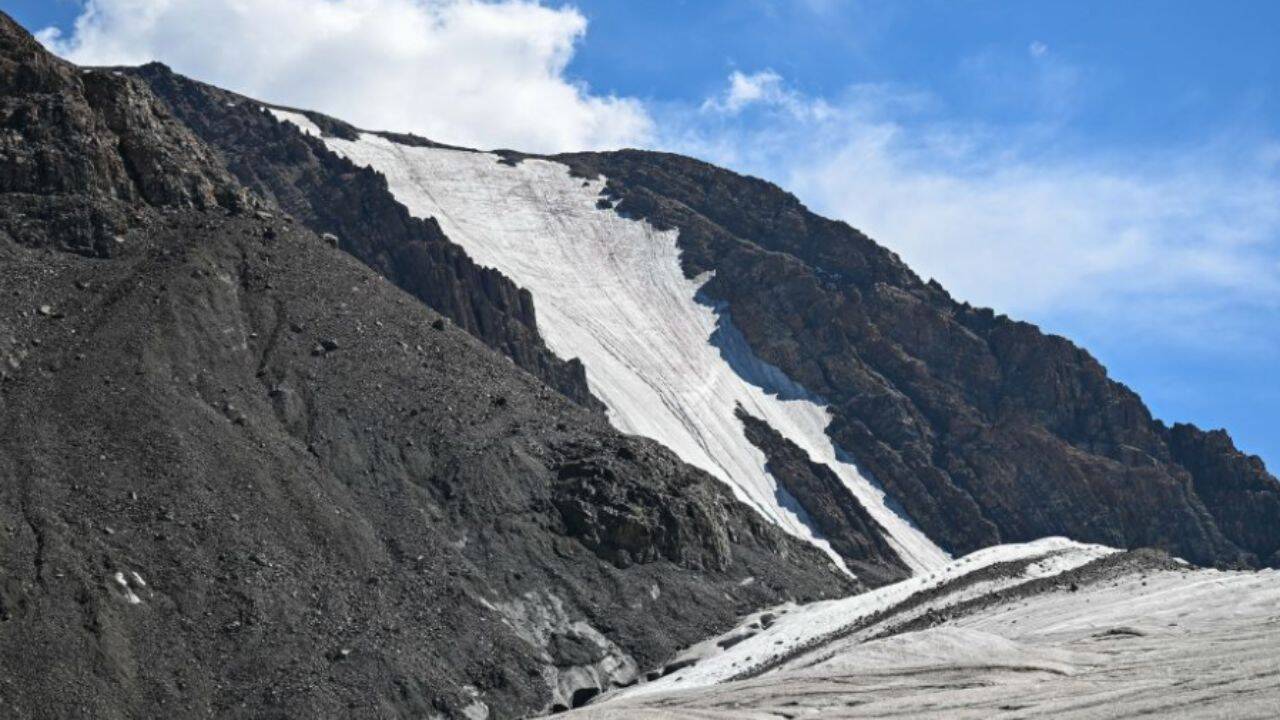
Scientists tested cloud seeding over China’s Muz Taw Glacier in 2018 to create artificial snowfall and slow ice loss. The experiment used silver iodide generators to encourage snow formation. Researchers found that fresh snow made the glacier surface brighter and reduced the amount of ice lost over a short period. However, they said the results are preliminary and need further testing. Scientists tested cloud seeding over China’s Muz Taw Glacier in 2018 to create artificial snowfall and slow ice loss. The experiment used silver iodide generators to encourage snow formation. Researchers found that fresh snow made the glacier surface brighter and reduced the amount of ice lost over a short period. However, they said the results are preliminary and need further testing.
Trending
- NCPCR summons Meta India head over alleged child abuse ads
- Kharge ‘purification’ row escalates as Congress MPs demand FIR from Delhi Police
- US Democrat urges House Speaker to sue Trump admin over triumphal arch, says Congress never approved funds
- Meet Rachel Chen, 18, who won $100,000 for quantum math breakthrough
- Sri Lanka a close friend, India stands with it through thick and thin: Rajnath Singh
- NHRC seeks report on hostel facilities for DU students from Delhi chief secretary, UGC
- Boeing or Northrop Grumman? Pentagon nears decision on US Navy’s stealth fighter contract
- Expelled Bihar Congress functionaries protest outside party office, seek meeting with Rahul

Scientists seeded clouds over Chinese glacier; ice loss later fell up to 17%
 By
By

Add A Comment