
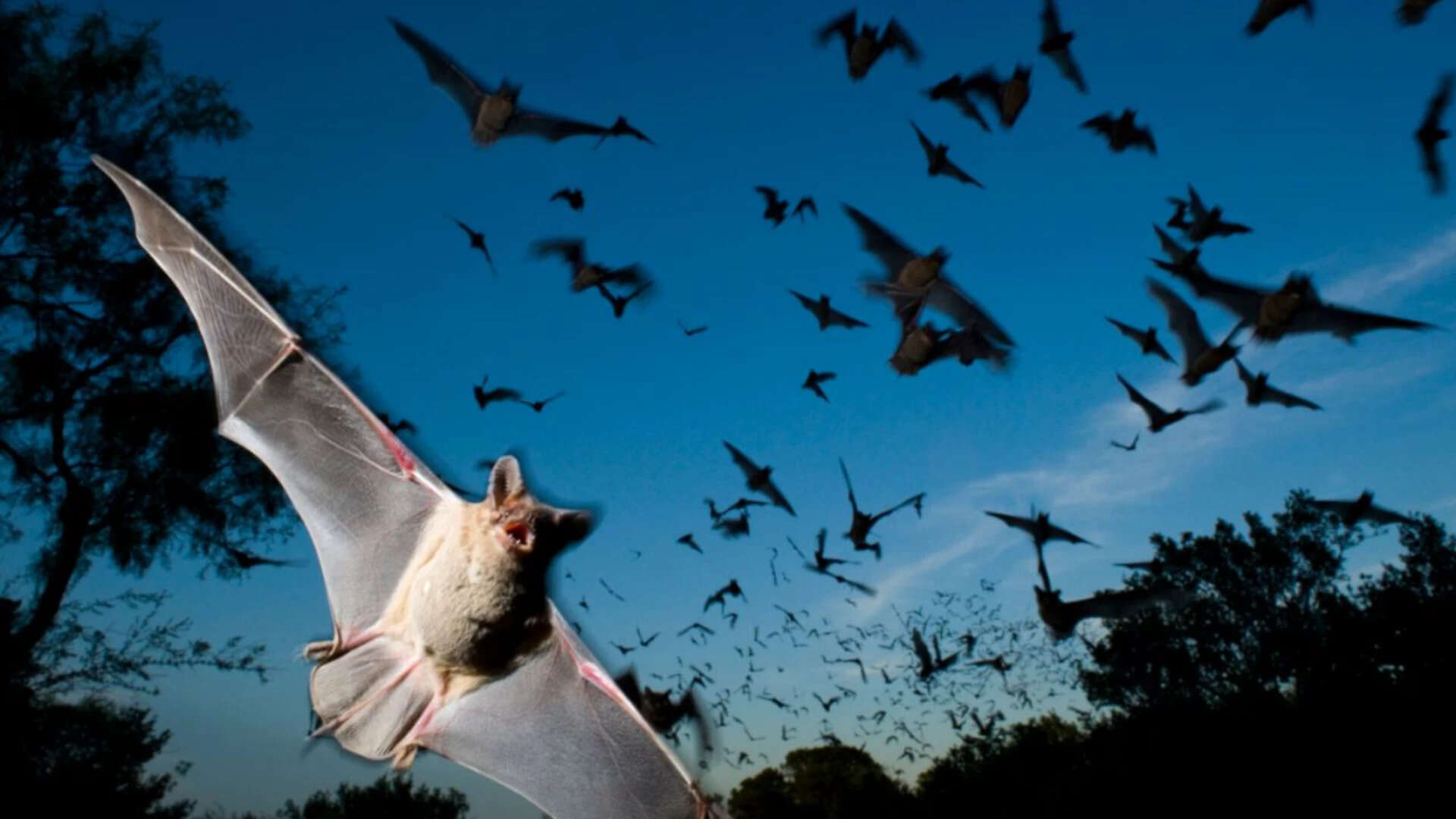
A new study has found that greater Japanese horseshoe bats adjust their echolocation calls to match the frequencies used by others in their colony instead of avoiding them. Researchers say this shared frequency creates a clearer listening range, helping bats detect prey more effectively despite many overlapping calls from nearby colony members. A new study has found that greater Japanese horseshoe bats adjust their echolocation calls to match the frequencies used by others in their colony instead of avoiding them. Researchers say this shared frequency creates a clearer listening range, helping bats detect prey more effectively despite many overlapping calls from nearby colony members.
Trending
- ‘PM Modi’s apology awaited’: Opposition to keep up NEET protest pressure in Parliament
- ‘Beginning of accountability’: Prashant Kishor on Dharmendra Pradhan’s resignation
- ‘Don’t cry later’: Owaisi makes alliance offer to Akhilesh to oust BJP in UP polls
- 4 killed, several injured in massive explosion at Assam rod manufacturing unit
- Assam floods: Death toll reaches 66; BJP launches Rs 12 crore relief drive – top developments
- ‘Jamaati fundamentalists’: Bengal CM Suvendu Adhikari alleges ‘foreign hand’ in Kolkata rally violence
- ‘He is only interim’: Sanjay Raut claims Fadnavis may replace Pralhad Joshi as education minister
- Pakistan on flood alert as Ravi, Chenab near danger mark; 7 dead

Japanese horseshoe bats change echolocation calls to beat sonar noise, study finds
 By
By

Add A Comment