
For weeks, the Trump administration relied on Pakistan to act as an intermediary, urging it to persuade Iran to agree to a pause in hostilities that would allow the reopening of the Strait of Hormuz. Islamabad’s role as a Muslim-majority neighbour was seen as key to making the proposal acceptable to Tehran. Back-channel diplomacy spearheaded by Pakistan’s army chief Asim Munir culminated late Tuesday with the US, Iran and Israel announcing a two-week ceasefire. For weeks, the Trump administration relied on Pakistan to act as an intermediary, urging it to persuade Iran to agree to a pause in hostilities that would allow the reopening of the Strait of Hormuz. Islamabad’s role as a Muslim-majority neighbour was seen as key to making the proposal acceptable to Tehran. Back-channel diplomacy spearheaded by Pakistan’s army chief Asim Munir culminated late Tuesday with the US, Iran and Israel announcing a two-week ceasefire.
Trending
- India welcomes Pakistan brokered ceasefire, hopes it can lead to peace in Ukraine too
- Michigan man Daniyal Khan charged with kidnapping 12-year-old girl; child found using Amber Alert
- YouTube star IShowSpeed lands dream anime project backed by One Piece live-action showrunner
- Quote of the day by Marie Curie: “Humanity also needs dreamers, for whom the disinterested development of an enterprise is so captivating that it becomes impossible for them to devote their care to their own material profit.”
- ‘Ketamine Queen’ Jasveen Sangha gets 15 years in prison, sold drugs to Matthew Perry before his overdose death
- 1,100 Afghans stranded in Qatar for over a year, US asking countries in Africa, Asia to take them
- VP Vance will lead US team for truce talks with Iran in Pakistan: White House
- 5 ancient cities that are now underwater and reveal how civilisations were lost to the sea

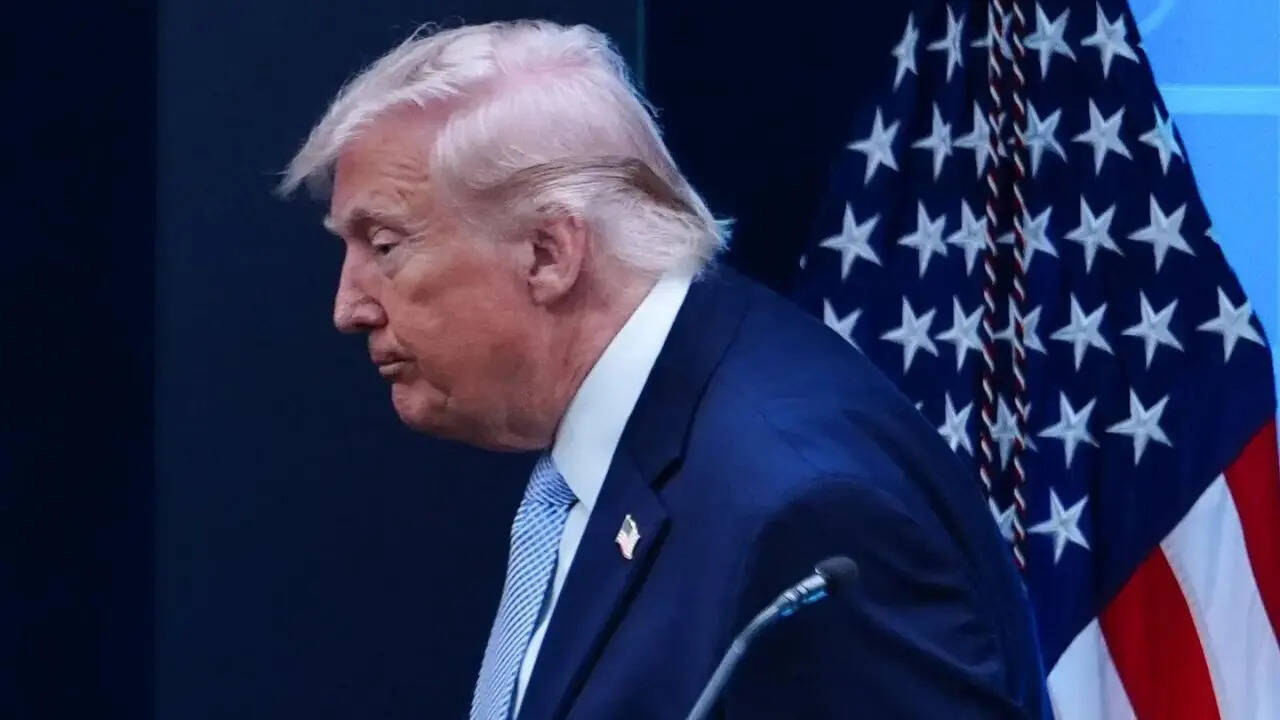
US desperate for ceasefire? Trump forced Pakistan to broker temporary truce with Iran
 By
By

Add A Comment